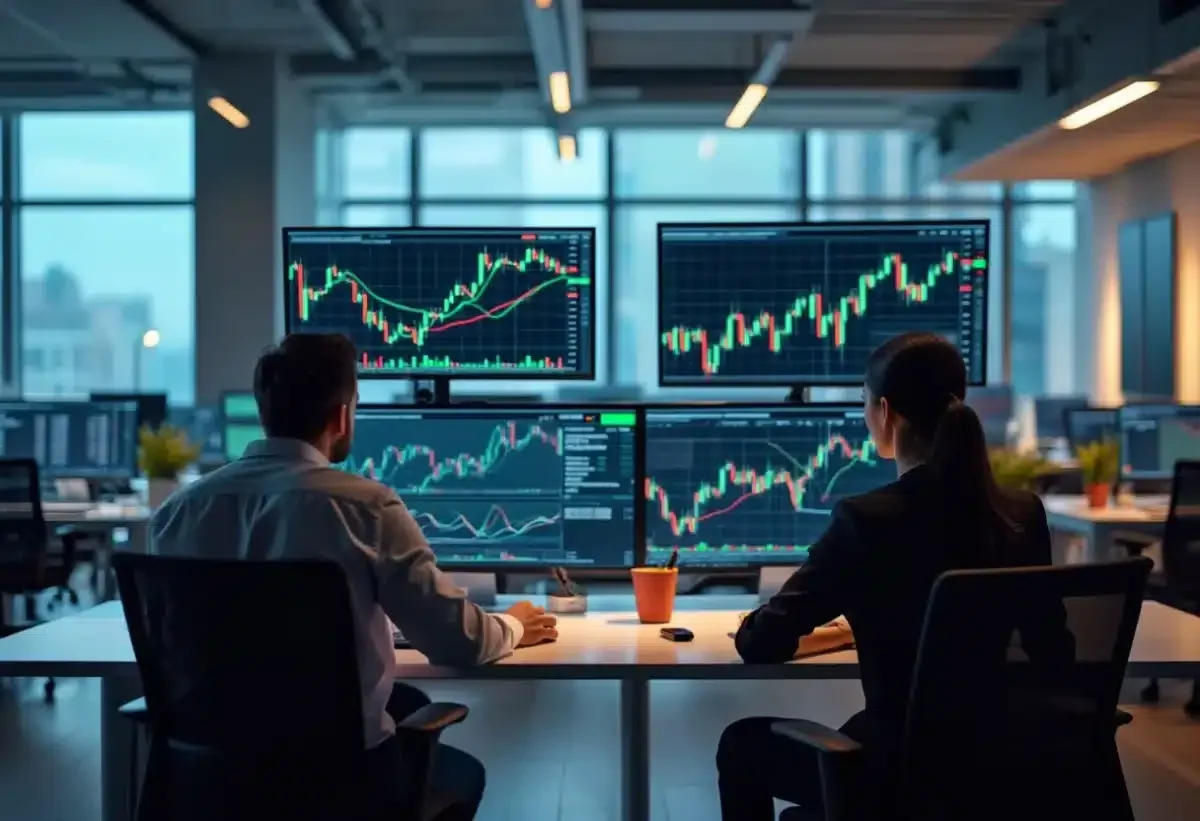
Financial markets, often perceived as sophisticated labyrinths, are organized around various trading platforms. Each platform has specific characteristics, ranging from the strict regulations of traditional exchanges to the more relaxed environments of decentralized exchanges. This diversity raises questions about the legality and transparency of transactions conducted.
The emergence of new technologies and the growing popularity of cryptocurrencies add a layer of complexity. Regulators are trying to keep pace with the rapid pace of these innovations, seeking to balance investor protection and the stimulation of innovation. Comparing different platforms allows for a better understanding of the legal and financial issues at stake.
The Legal Framework of Financial Markets
Financial markets are under the watchful eye of public authorities and the French administration, which seek to regulate marketplaces. This regulation aims to ensure the transparency and security of transactions while ensuring compliance with environmental and economic standards.
The AGEC Law and the Environmental Code impose environmental obligations on trading platforms. These regulations require companies to adopt more sustainable practices and reduce their ecological impact. The DGCCRF also monitors these platforms to ensure their compliance with current laws.
The CJEU recently made a ruling regarding Uber, highlighting the necessity for companies to comply with local regulations. This verdict could influence other similar platforms and strengthen legal oversight.
Technology giants, such as the GAFAM, are investing heavily in lobbying to influence the regulation of financial markets. Facebook, for example, has reached an agreement with the General Information Press Alliance, illustrating the growing interconnection between digital platforms and regulators.
- Public authorities: seek to regulate marketplaces
- French administration: regulates marketplaces
- AGEC Law: imposes environmental obligations
- DGCCRF: monitors marketplaces
- CJEU: ruling regarding Uber
Trading, in all its forms, must adapt to these legal frameworks to ensure fair competition and protect consumer interests.
Analysis of Major Trading and Investment Platforms
Trading platforms are multiplying, offering a variety of services and products for investors. Among them, Zoom Invest stands out for its intuitive interface and powerful analysis tools. Its editorial director, Anthony Descalis-Sabran, emphasizes the importance of financial education for users.
Offered Services
- Real-time market analysis
- Automated trading tools
- Online training for beginners and advanced users
These services are hosted by AMEN, ensuring a secure and reliable infrastructure.
Verint, on the other hand, offers the Human Compliance solution, which ensures regulatory compliance of transactions. This solution uses artificial intelligence to detect and prevent fraudulent behavior, a major asset in a constantly evolving environment.
Academic and Economic Actors
Nikhil Vellodi, a researcher at the Paris School of Economics, is working on the impact of new technologies on financial markets. His research provides valuable insights into ongoing transformations and upcoming challenges for regulators and investors.
Trading platforms must adapt to strict regulations while innovating to remain competitive. Collaboration between private and academic actors is essential to navigate this complex landscape and ensure a more transparent and secure finance.