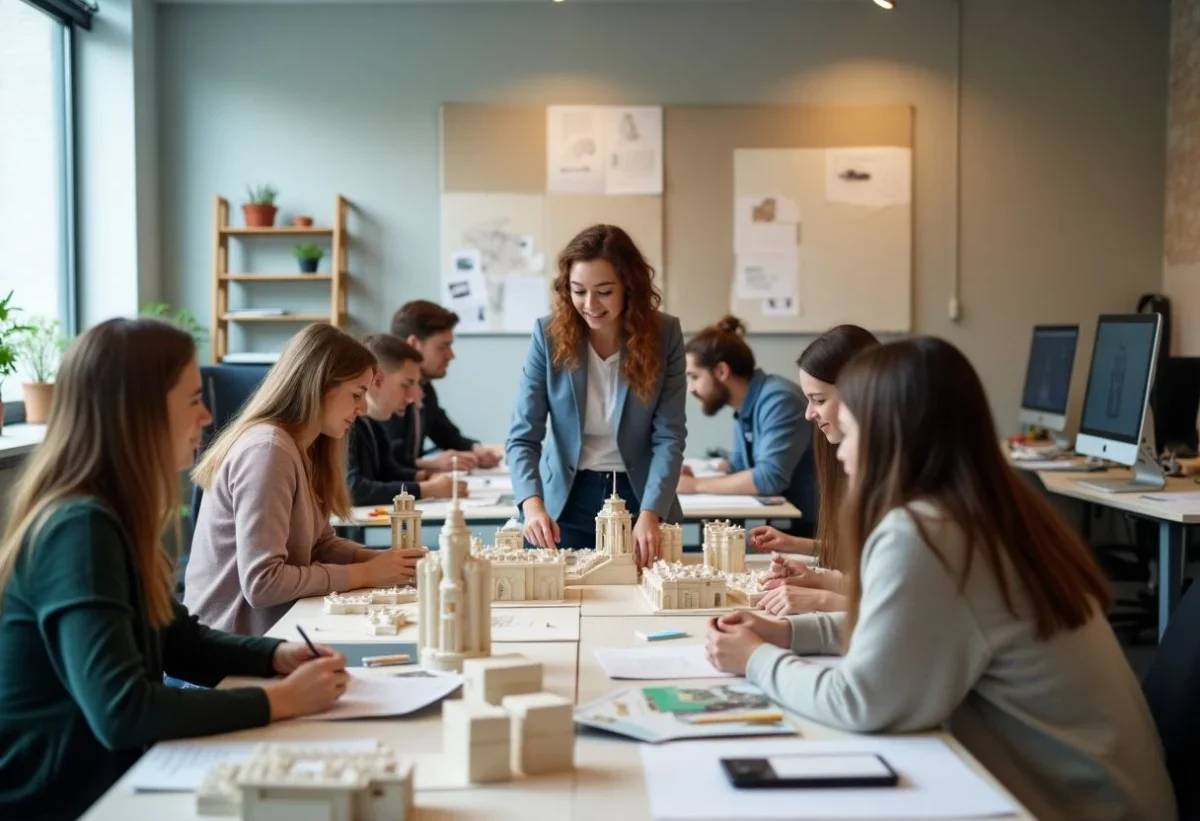
In a world where our immediate environment greatly influences our well-being, the role of interior architecture has become essential. This discipline, which blends art and science, is at the heart of transforming living and working spaces, offering not only aesthetic solutions but also functional ones. Training in this expertise requires an enriching journey, combining creativity, techniques, and a deep understanding of human needs. Do you dream of turning your passion for design into a thriving career?
The path to mastering interior architecture
To excel in this field, a well-structured training program is essential. It provides not only a foundation of technical knowledge but also an in-depth understanding of current trends. Several steps and training methods are available for future interior designers.
- Academic programs: Universities and specialized schools offer various degrees, ranging from certificates to master’s degrees in interior architecture.
- Professional internships: These allow for essential practical experience by working alongside seasoned professionals.
- Creative workshops: These hands-on sessions stimulate creativity and allow for experimentation with different design techniques.
Essential skills for an interior architect
Acquiring a diverse skill set is crucial for success in interior architecture. These skills go beyond aesthetics and include a deep understanding of technical and human aspects.
First, a solid foundation in drawing and computer-aided design (CAD) is paramount. It enables the translation of ideas into precise and professional plans. Next, a good sense of ergonomics is necessary to create spaces that are not only beautiful but also functional and comfortable. Additionally, knowledge of current materials and construction techniques ensures that design choices are feasible and sustainable. Finally, excellent communication is essential for effectively interacting with clients and other professionals in the field.
Current challenges and trends in interior architecture
In a constantly evolving world, interior architects must adapt to new trends and emerging challenges. One of the main challenges is the need to create sustainable and environmentally friendly spaces. Eco-friendly materials and eco-responsible designs are now at the core of professional practice.
- Sustainable design: The integration of recycled materials and eco-friendly construction techniques has become a priority.
- Smart technologies: Smart homes and offices equipped with IoT technology require an understanding of new technologies for seamless integration.
- Flexible spaces: With remote work and multifunctional living spaces, designers must create versatile environments that adapt to changing needs.
Career opportunities after training
Once the interior architecture training is completed, numerous opportunities open up for graduates. They can choose to work within architecture firms, become independent consultants, or even start their own design business.
The sector is vast, and specializations abound, ranging from commercial design to the creation of residential spaces, as well as the layout of public spaces.
Interior architects are also sought after for specific projects such as yacht or airplane design, demonstrating the breadth of possibilities this career offers.