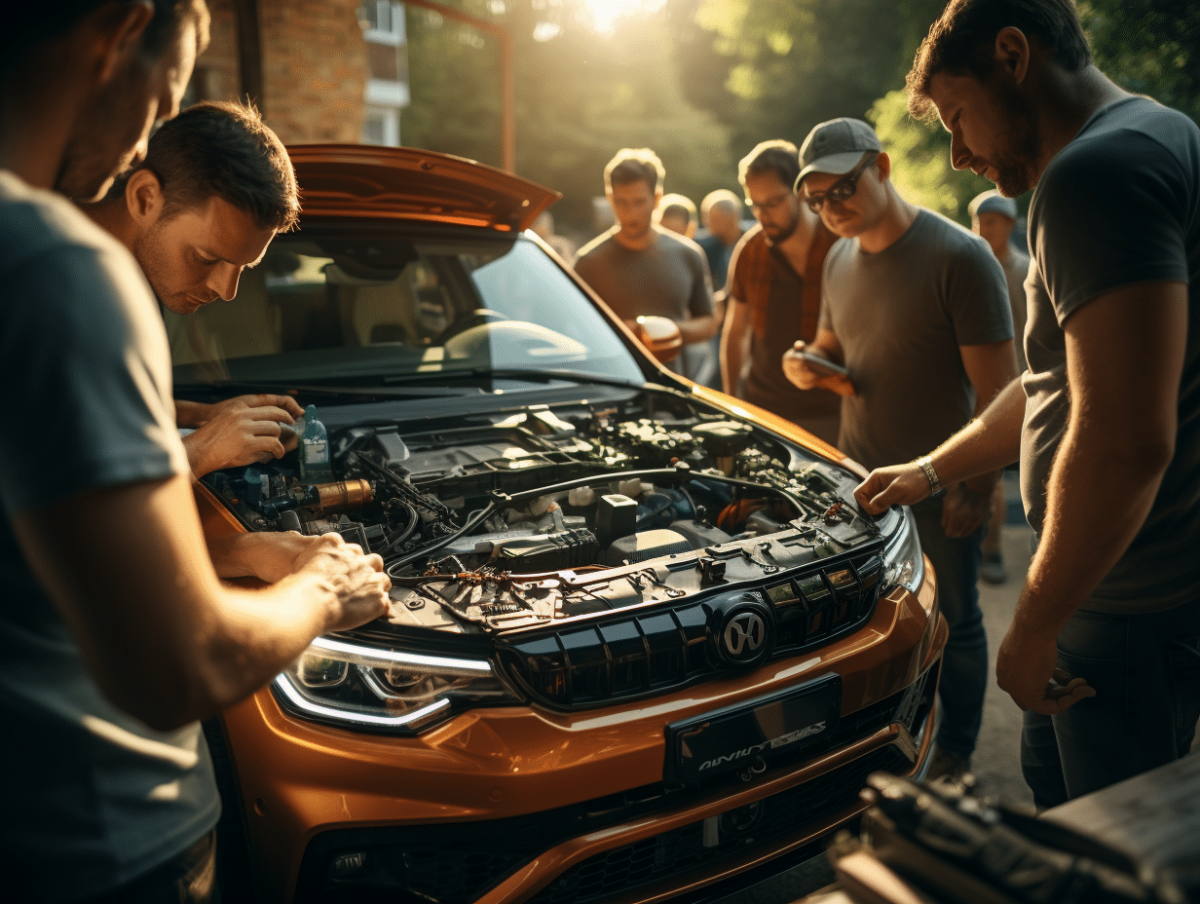
The ownership of a car inevitably comes with its share of mechanical and technical inconveniences. From warning lights that come on unexpectedly to suspicious squeaking during braking, every driver faces common issues that require special attention. Knowing how to identify these warning signs and understanding the steps to take to resolve them can not only extend the vehicle’s lifespan but also ensure the safety of its occupants. Understanding basic maintenance and simple solutions to usual malfunctions is an essential skill for any motorist.
Identifying and Resolving Common Problems with Your Car
Engine malfunctions are among the most frequent problems encountered by drivers. These issues can manifest as a noticeable slowdown in performance or, in more severe cases, a complete immobilization of the vehicle. When faced with such a problem, proceed with a precise diagnosis, consider a repair by calling in professionals, and don’t hesitate to compare quotes. For tighter budgets, using used auto parts can be a viable alternative.
Engine overheating is another major concern. An overheating engine can suffer irreversible damage if not addressed quickly. Checking the cooling system, including fluid levels, hoses, and the water pump, should be done promptly to avoid further deterioration.
As for a faulty transmission, it can manifest as difficulty changing gears or unusual noises while driving. A repair or replacement of the transmission may be necessary, a costly operation that requires the intervention of a specialist. Regular preventive maintenance and vigilance regarding warning signs often help avoid such setbacks.
The orange warning light on the dashboard of the Peugeot 5008, for instance, may indicate a problem related to the battery or charging system. A battery failure can be diagnosed using a battery tester. Also, make sure to clean the terminals and connectors to maintain the battery charge. Regular attention to the electrolyte level is also crucial for the proper functioning of the battery.
Aesthetic problems, although often considered secondary, should not be overlooked as they can affect the resale value of the vehicle. Solutions exist for the repair of damage caused by wear and minor accidents. A well-maintained body reflects the diligence applied to the overall maintenance of the vehicle.

Preventive Maintenance and Tips to Avoid Frequent Breakdowns
Engine maintenance remains the cornerstone of a reliable and high-performing car. Regular oil changes and a meticulous diagnosis of the vehicle can help prevent many malfunctions. Consult a professional mechanic to ensure thorough follow-up, including the replacement of air, oil, and fuel filters, as well as checking injectors and the turbo. These preventive actions contribute to maintaining the mechanical health of your engine, thereby extending the lifespan of your car.
The reliability of the electrical system depends on a performing alternator and a battery in good working condition. Use a battery tester to evaluate its state and perform regular cleaning of the terminals and connectors to ensure optimal charge. Don’t forget to check the electrolyte level: it is essential to prevent a sudden failure that could leave you stranded.
Regarding suspension and brakes, their gradual wear affects both comfort and safety. Replace shock absorbers, struts, brake pads, and discs at the first signs of deterioration. Paying particular attention to these elements can save you costly repairs and potentially dangerous situations on the road.